How to Identify Pure Linen Sarees: A Quick Fabric Test Guide
Linen sarees have become a wardrobe essential for modern women who appreciate effortless elegance, breathability, and timeless style. However, with rising demand, the market is now flooded with blended or synthetic alternatives that closely resemble pure linen. While these options may look similar at first glance, they lack the authenticity, comfort, and durability of genuine linen.
So how can you tell if a linen saree is truly pure? Whether you're shopping online or in-store, this guide will help you identify pure linen sarees using simple, practical fabric tests—no expert knowledge required.
Understanding What Pure Linen Is
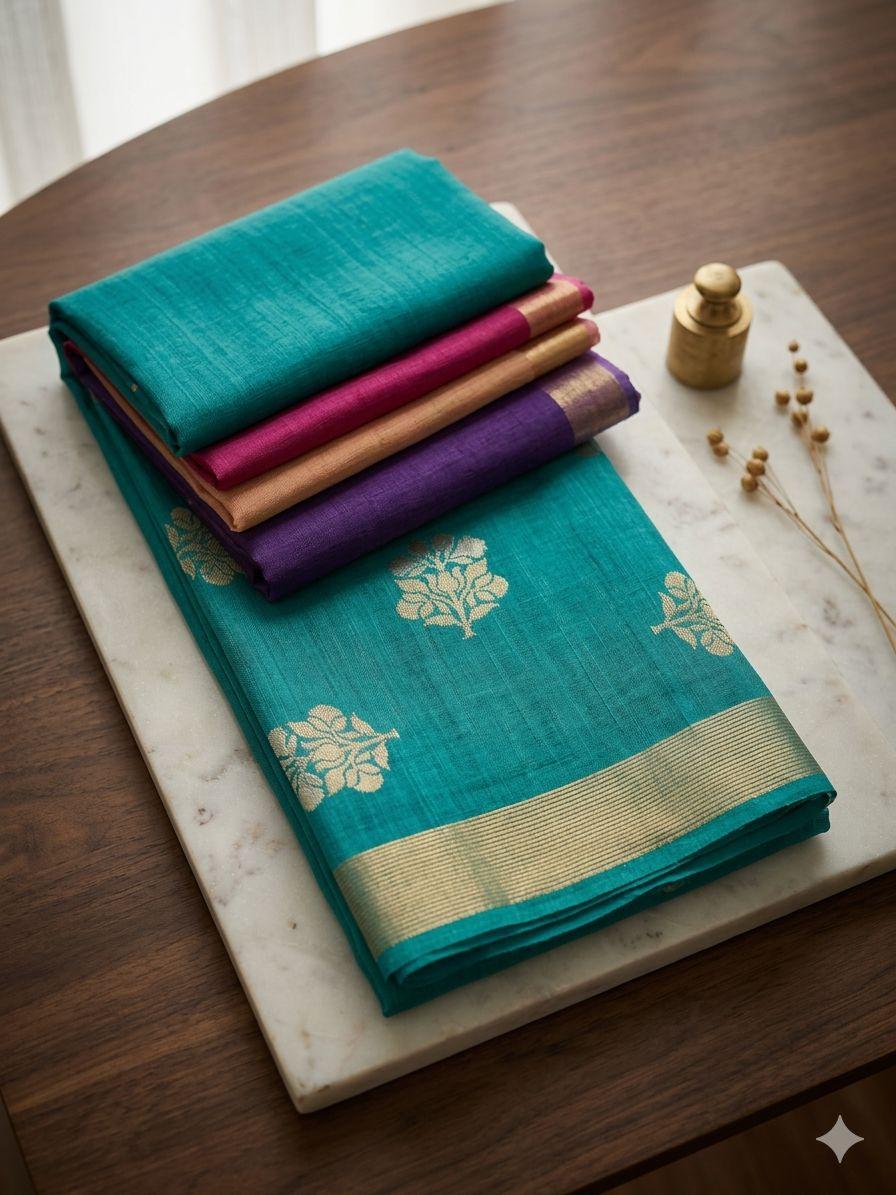
Before diving into the tests, it’s important to understand what makes linen unique. Linen is made from natural flax fibers, which give it a slightly coarse texture, high breathability, and excellent moisture-wicking properties. Unlike synthetic fabrics, linen has a natural irregularity that adds to its charm.
Pure linen sarees are known for:
- A crisp yet soft texture
- Natural slubs (tiny uneven threads)
- High durability
- A subtle matte finish
These characteristics become key indicators when identifying authenticity.
1. The Texture Test: Feel the Fabric
The easiest way to identify pure linen is by touch. Run your fingers across the saree surface.
What to look for:
- Slightly coarse and crisp texture
- Natural unevenness due to flax fibers
- Not overly smooth or slippery
Blended or synthetic fabrics often feel too smooth or silky, which is a clear giveaway that it’s not pure linen. Over time, pure linen becomes softer with every wash, but it never loses its natural grainy feel.
2. The Slub Test: Spot Natural Imperfections
Pure linen fibers are not uniform, which results in small irregularities called slubs.
How to check:
- Hold the saree close and inspect the weave
- Look for tiny knots or uneven threads
These imperfections are a sign of authenticity, not defects. Machine-made or synthetic fabrics usually have a perfectly uniform weave, which lacks the natural charm of linen.
3. The Light Test: Check Transparency
Another simple method is to hold the saree against light.
What you’ll notice in pure linen:
- Slight transparency
- Visible weave pattern
- Natural fiber consistency
Synthetic blends often appear too dense or overly shiny under light, while pure linen maintains a soft, airy appearance.
4. The Wrinkle Test: Embrace the Creases
Linen is famous (and sometimes infamous!) for wrinkling easily—and that’s actually a good sign.
Try this:
- Take a small portion of the saree and squeeze it in your hand for a few seconds
Result:
- Pure linen will wrinkle quickly and retain creases
- Blended fabrics will either not wrinkle or bounce back quickly
These wrinkles are part of linen’s natural appeal and give it that relaxed, lived-in elegance.
5. The Water Absorption Test
Linen is highly absorbent compared to synthetic fabrics.
How to test:
- Place a small drop of water on the fabric
What happens:
- Pure linen absorbs water quickly
- Synthetic fabrics may repel water or take longer to absorb
This test is especially useful when you're unsure about fabric composition in a store setting.
6. The Burn Test (Use with Caution)
This is a more advanced method and should only be done carefully (or avoided in stores).
Procedure:
- Take a tiny thread from the fabric and burn it
Pure linen will:
- Smell like burning paper or grass
- Leave soft, gray ash
Synthetic blends will:
- Melt or form hard beads
- Emit a plastic-like smell
If you’re not comfortable trying this, it’s perfectly fine to rely on the other tests.
7. Check the Price and Label
While not a physical test, pricing and labeling can offer helpful clues.
- Pure linen sarees are generally priced higher due to the labor-intensive process of extracting flax fibers
- Look for labels like “100% Linen” or certifications from trusted sources
- Be cautious of deals that seem too good to be true
However, don’t rely solely on labels—always combine this with physical checks.
8. Drape and Fall Test
Pure linen sarees have a distinct drape that sets them apart.
Observe how the saree falls:
- Linen has a structured yet fluid drape
- It doesn’t cling like synthetic fabrics
- Pleats appear crisp and defined
This makes linen sarees perfect for both casual and formal occasions.
Final Thoughts
Identifying pure linen sarees doesn’t have to be complicated. With a little attention to detail and a few simple tests, you can confidently distinguish authentic linen from imitations. From the texture and slubs to wrinkles and water absorption, each characteristic tells a story about the fabric’s origin and quality.
Investing in a pure linen saree means choosing comfort, sustainability, and timeless elegance. It’s not just a piece of clothing—it’s a statement of refined taste and conscious fashion.
So the next time you’re shopping, take a moment to test the fabric. Because when it comes to linen, authenticity makes all the difference.
Royalnand Fashion
If you’re looking for a pure linen saree that perfectly blends elegance, comfort, and authenticity, RoyalNand Fashion is a destination you can trust on. Known for its premium-quality collection, RoyalNand Fashion offers beautifully crafted linen sarees made from genuine flax fibers, ensuring the right texture, breathability, and timeless appeal. Whether you prefer subtle pastels or rich traditional tones, their range caters to every style and occasion. With a strong focus on quality and craftsmanship, RoyalNand Fashion makes it easier for you to invest in sarees that are not only stylish but also truly authentic.